
Why Back Pain and Sleep Problems Go Hand in Hand
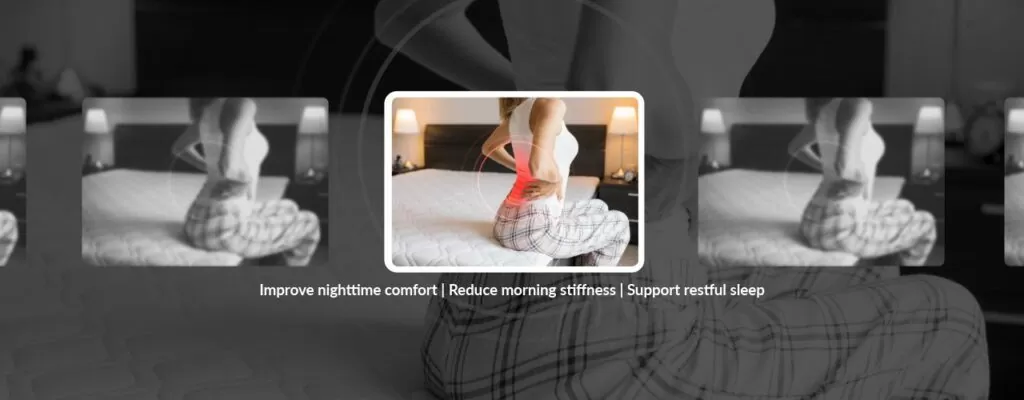
Physical therapists who treat back pain hear about sleep problems all the time. The two rarely travel alone. Back pain and sleep problems feed each other in a cycle that is hard to break without understanding how they are connected. A good clinician does not treat them as separate issues. They look for the pattern that links them and build a plan that addresses both at the same time.
Why These Two Problems Keep Each Other Going
Back pain disturbs sleep. Poor sleep makes back pain worse. It works in both directions.
When the back hurts, finding a comfortable position at night becomes a challenge. Lying still for hours loads the same sensitive areas that hurt during the day. The nervous system stays alert instead of settling into recovery mode.
When sleep is poor, the body becomes more sensitive to pain. Muscles that should recover overnight stay tense. The threshold for what feels uncomfortable drops. The next day starts with less tolerance and more discomfort than the day before.
The Questions That Open Up the Real Picture
The first conversation with your clinician is where the real story begins to emerge. When someone comes in with back pain, our physical therapists at Albatross Physical Therapy and Wellness ask specific questions about sleep.
- How long does it take to find a comfortable position?
- Do you wake during the night because of pain?
- Is the back worse first thing in the morning, or does it ease once you start moving?
- How has your sleep been overall, not just because of pain?
These answers reveal whether sleep is being disrupted by a mechanical issue, a nervous system sensitivity issue, or both. That distinction changes the direction of the entire plan.
Contact Albatross Physical Therapy and Wellness to schedule an evaluation and find out what is specifically driving your back pain and sleep problems.
What the Evaluation at Albatross Physical Therapy and Wellness Looks For
The physical assessment examines several things that connect directly to how back pain behaves at night. Your clinician checks how the lumbar spine and hips move and whether stiffness in either area is loading the back during prolonged lying down. The deep muscles that stabilize the spine are assessed because when they are not working well, the back has no support during sleep position changes. How the nervous system responds to movement and touch is assessed because a sensitized nervous system is a key driver of both nighttime pain and poor sleep quality. The overall picture of stress, activity levels, and daily habits is discussed because all of these influence how the body manages pain around the clock.
How the Albatross Physical Therapy and Wellness Team Treats This Pattern
No two presentations of back pain and sleep problems are exactly alike. The plan at Albatross Physical Therapy and Wellness is built around what the evaluation specifically reveals. A patient whose back pain is driven by joint stiffness needs different treatment than one whose nervous system has become highly sensitized. Our physical therapists will explain the findings in plain language and connect every treatment decision back to the patient’s specific experience, and often include the following:
- Joint mobilization directed at the lumbar and thoracic spine reduces the stiffness that makes lying in one position for hours so uncomfortable. When the joints move more freely, sleep position changes stop triggering the back as reliably.
- Deep spinal muscle retraining reactivates the stabilizing muscles that protect the back during rest and movement, reducing the load on sensitive structures overnight.
- Soft tissue release addresses the muscle tension that builds up around a back that has been guarded and braced against pain for weeks or months.
- Education about the connection between sleep, stress, and pain sensitivity gives patients a framework for managing their symptoms that extends well beyond the clinic.
What Helps Between Sessions
A simple home plan supports recovery during the hours spent away from Albatross Physical Therapy and Wellness.
- Consistent sleep and wake times help regulate the body’s pain sensitivity over time.
- Gentle movement before bed keeps the back from stiffening in the hours leading up to sleep.
- Reducing screen exposure in the hour before bed supports the nervous system in settling into a calmer state.
- Managing stress through simple daily habits reduces the baseline tension that amplifies both back pain and sleep difficulty.
The Signs That Show the Cycle Is Breaking
Progress with back pain and sleep problems shows up in practical ways. Getting comfortable at night takes less effort. Waking during the night becomes less frequent. Morning stiffness clears faster after getting up. The back stops being the first and last thing on your mind each day.
Breaking the cycle of back pain and disrupted sleep is very possible with the right support. Contact Albatross Physical Therapy and Wellness to schedule your evaluation and find out what has been keeping you awake.